

Fluidised Autothermal Reforming Syngas Technology
Reliable. Low‑Carbon.
On‑Site.
On-site hydrogen and power for AI data centres — no grid required.

Clean. Low‑Cost.
Scalable.
Artificial intelligence is driving unprecedented energy demand — but the grid is struggling to keep up. New data centres and industrial sites need reliable, low-carbon power today, not in a decade.
Global AI infrastructure is projected to require over 125 GW of additional power capacity. A single hyperscale data centre can demand 100–500 MW — more than many power stations supply.
In many regions of North America, new grid connections for large sites take 5–10 years due to interconnection queues and ageing infrastructure. Waiting is not an option for operators who need power now.
FARST systems are installed directly at the point of use, generating both hydrogen and low-carbon power without grid dependency — delivering reliable, behind-the-fence energy on your timeline.
A convergence of forces is creating exceptional demand for exactly what FARST delivers — reliable, low-carbon, on-site energy at competitive cost.
AI training and inference workloads are doubling energy demand for compute infrastructure year-on-year. Data centre operators need gigawatt-scale power solutions that can be deployed fast.
Ageing grid infrastructure and multi-year interconnection queues mean reliable grid power is increasingly unavailable for new large-scale sites across North America and beyond.
Industrial operators, governments, and investors are committed to net-zero targets — but need practical, bankable low-carbon solutions that work at commercial scale today, not in 2040.
FARST addresses all three simultaneously: on-site deployment bypasses grid constraints, pre-combustion capture delivers real carbon reduction, and the LCOH economics make the business case compelling.
FARST (Fluidised Autothermal Reforming Syngas Technology) is a patented low-carbon hydrogen and power generation process engineered to reduce cost, improve carbon efficiency, and support deployment at industrial scale.
Developed by Cadchem Inc and invented by Patrick Cadenhouse-Beaty, FARST builds on proven fluid catalytic cracking (FCC) and refining heritage — adapting four decades of industrial engineering experience to a new purpose: producing hydrogen and behind-the-fence power more efficiently than conventional reforming routes.
Unlike conventional Steam Methane Reforming, FARST integrates pre-combustion carbon capture into the core process. That means lower feedstock demand, no external oxygen supply, no noble metals, and a simpler route to lower-carbon hydrogen production.
Learn How It WorksFARST uses up to 33% less natural gas than conventional SMR for equivalent hydrogen output.
Integrated pre-combustion carbon capture is designed into the process, not bolted on later.
Estimated at 500 t/day scale and $6/MMBtu gas, versus materially higher green hydrogen cost today.
About 3.4 kg CO₂e per kg H₂, supporting low-carbon hydrogen qualification thresholds.
Most carbon capture approaches attempt to remove CO₂ from flue gases after combustion — an expensive, energy-intensive process that typically captures only 50–90% of emissions.
FARST takes a fundamentally different approach. Carbon is separated before combustion takes place, as part of the hydrogen generation chemistry. This pre-combustion architecture makes high capture rates technically straightforward and commercially viable at any scale.
"Pre-combustion capture is inherently more efficient than post-combustion — and FARST builds it directly into the production process, eliminating the need for costly bolt-on systems."
The FARST process also produces commercially valuable co-products alongside hydrogen: nitrogen for industrial use, and captured CO₂ suitable for sequestration or industrial application — creating additional revenue streams that further improve project economics.
Explore Decarbonisation
Low-carbon, behind-the-fence power for data centres and digital infrastructure under pressure to scale quickly.
Firm hydrogen and power supply for heavy industry seeking resilience, cost discipline, and lower-carbon operations.
Integrated pre-combustion capture creates a simpler, more practical route to lower-carbon hydrogen production.
Modular systems built for faster delivery, lower complexity, and scalable roll-out across multiple sites.
FARST is designed for energy-intensive environments where cost, reliability, deployment speed, and lower-carbon performance all matter.

On-site power for digital infrastructure that cannot wait for the grid.
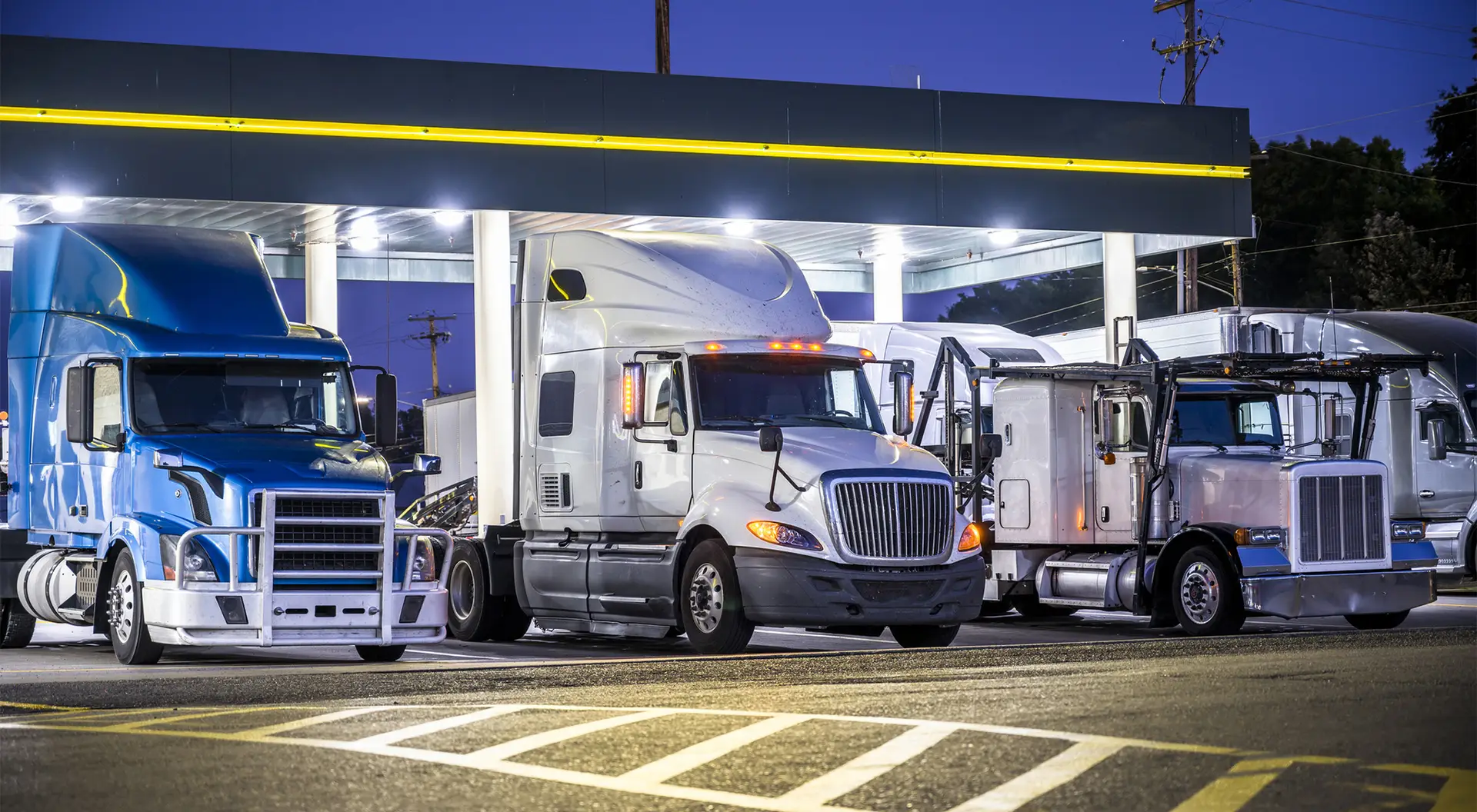
Hydrogen supply for transport corridors, truck stops, and fleet transition.
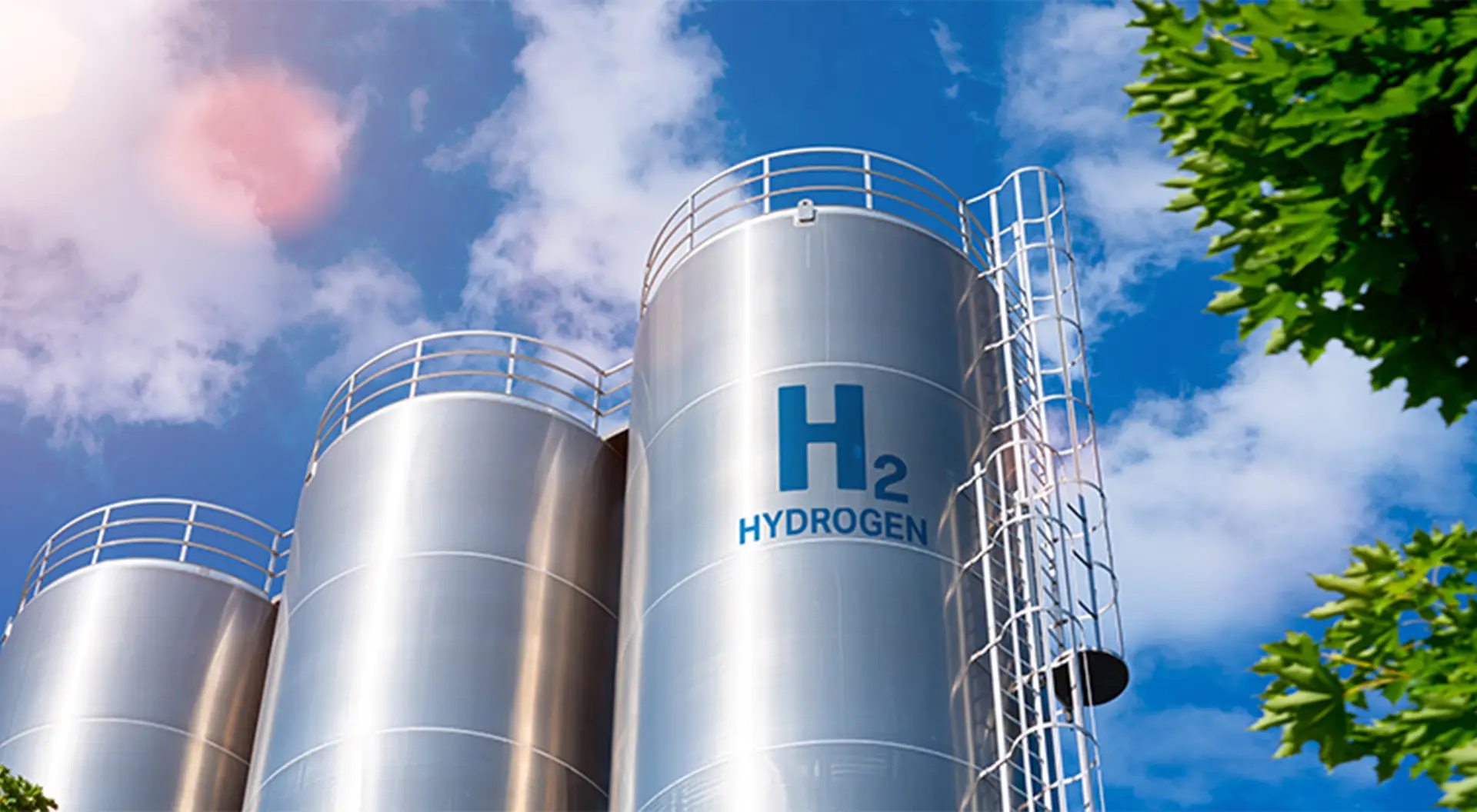
Scalable production and storage for distributed hydrogen deployment.
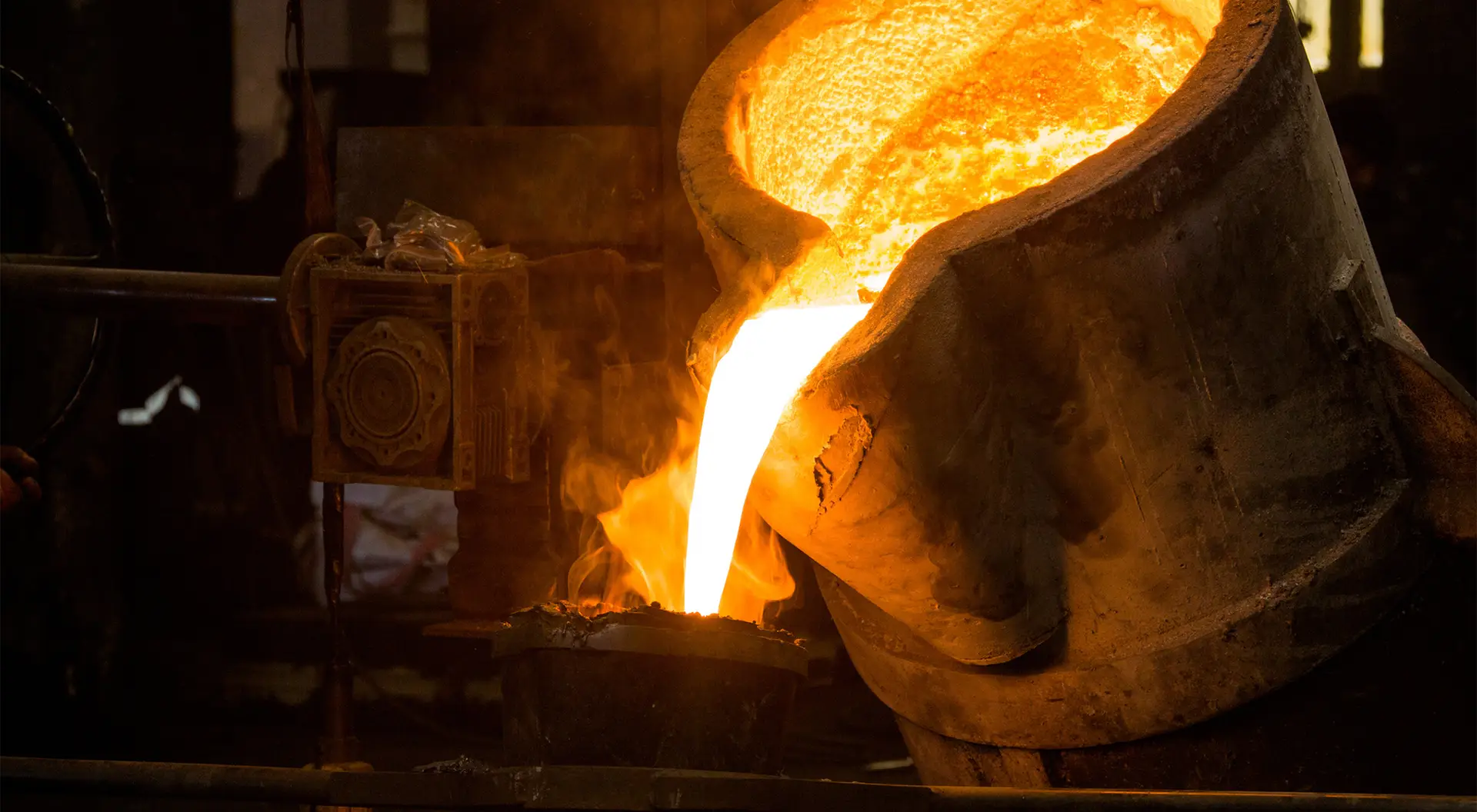
Lower-carbon energy pathways for heat-intensive industrial operations.
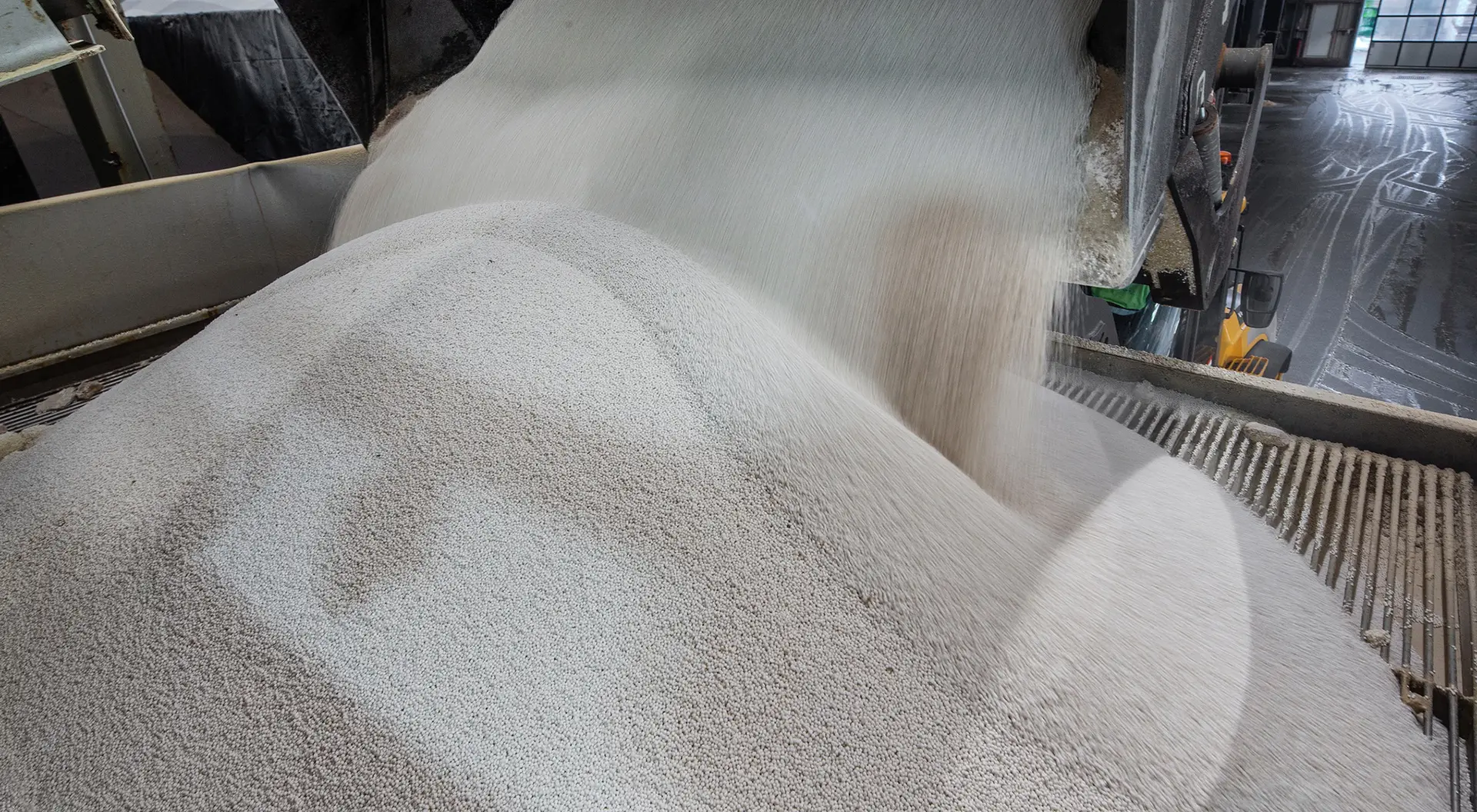
Hydrogen where process economics and carbon intensity both matter.
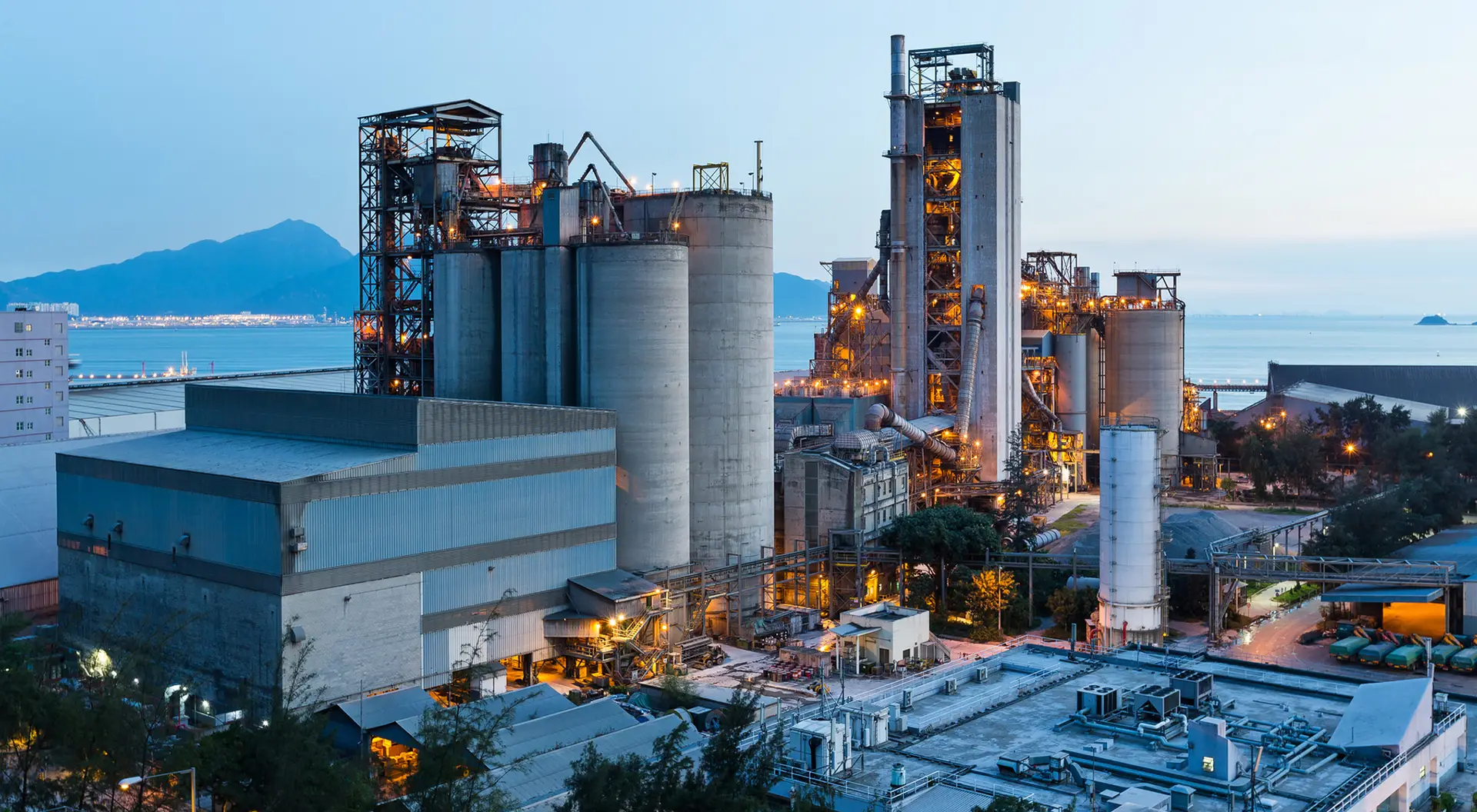
Practical energy options for difficult-to-abate industrial sites.
FARST is not an experimental technology. It is a commercial-ready process built on four decades of industrial engineering experience — adapting fluid catalytic cracking (FCC) and refining heritage to a new purpose: scalable, low-cost, low-carbon hydrogen production.
Where other hydrogen pathways require breakthrough science or unproven infrastructure, FARST applies known chemical engineering to a well-understood feedstock — delivering performance that investors and operators can model, finance, and deploy with confidence.
Built on FCC and refining technology with decades of industrial deployment — not a laboratory concept.
CO₂ is separated before combustion — achieving >95% capture rates with no post-process retrofit required.
Modelled at $1.18/kg levelised cost — significantly below current market alternatives at scale.
Deploy from 2 to 1,000 tonnes per day. Expand across sites as demand grows, without redesigning the core process.
These short answers are designed to help customers, partners, and investors understand where FARST fits, how it differs, and why it matters in the emerging AI and industrial energy market.
FARST integrates pre-combustion carbon capture directly into the reforming process — not as a bolt-on. It uses no noble metals and requires no external oxygen supply, giving it a simpler process design, lower capital cost, and a cleaner route to blue hydrogen than conventional SMR with post-combustion capture.
At 500 t/day and $6/MMBtu gas, FARST's estimated Levelised Cost of Hydrogen (LCOH) is approximately $1.18–$1.33/kg — well below the $3.91–$7.15/kg typical of green hydrogen electrolysis today, and competitive with or below grey hydrogen at current gas prices.
FARST is scalable from 2 to 1,000 tonnes of hydrogen per day. Because systems are installed on-site, deployment can be achieved within a standard project construction timeline — without the 5–10 year interconnection queues that affect new grid connections in much of North America.
AI data centres requiring behind-the-fence power are the immediate focus, given urgency of demand and grid constraint. Industrial decarbonisation — steel, cement, fertilisers, and refining — represents the larger long-term opportunity where hydrogen cost and carbon performance both matter.
Carbon capture above 95% is inherent to the FARST process design, not a retrofit. Pre-combustion capture separates CO₂ before combustion occurs — resulting in a pure hydrogen stream and a concentrated CO₂ stream that is easier and less costly to capture than post-combustion flue gas.
Stay current with FARST's progress, market analysis, and thinking on the future of low-carbon hydrogen and AI energy infrastructure.

March 2025
Hyperscale data centres need gigawatts of reliable, low-carbon power. Grid constraints are making on-site hydrogen generation the most practical answer.
Read more →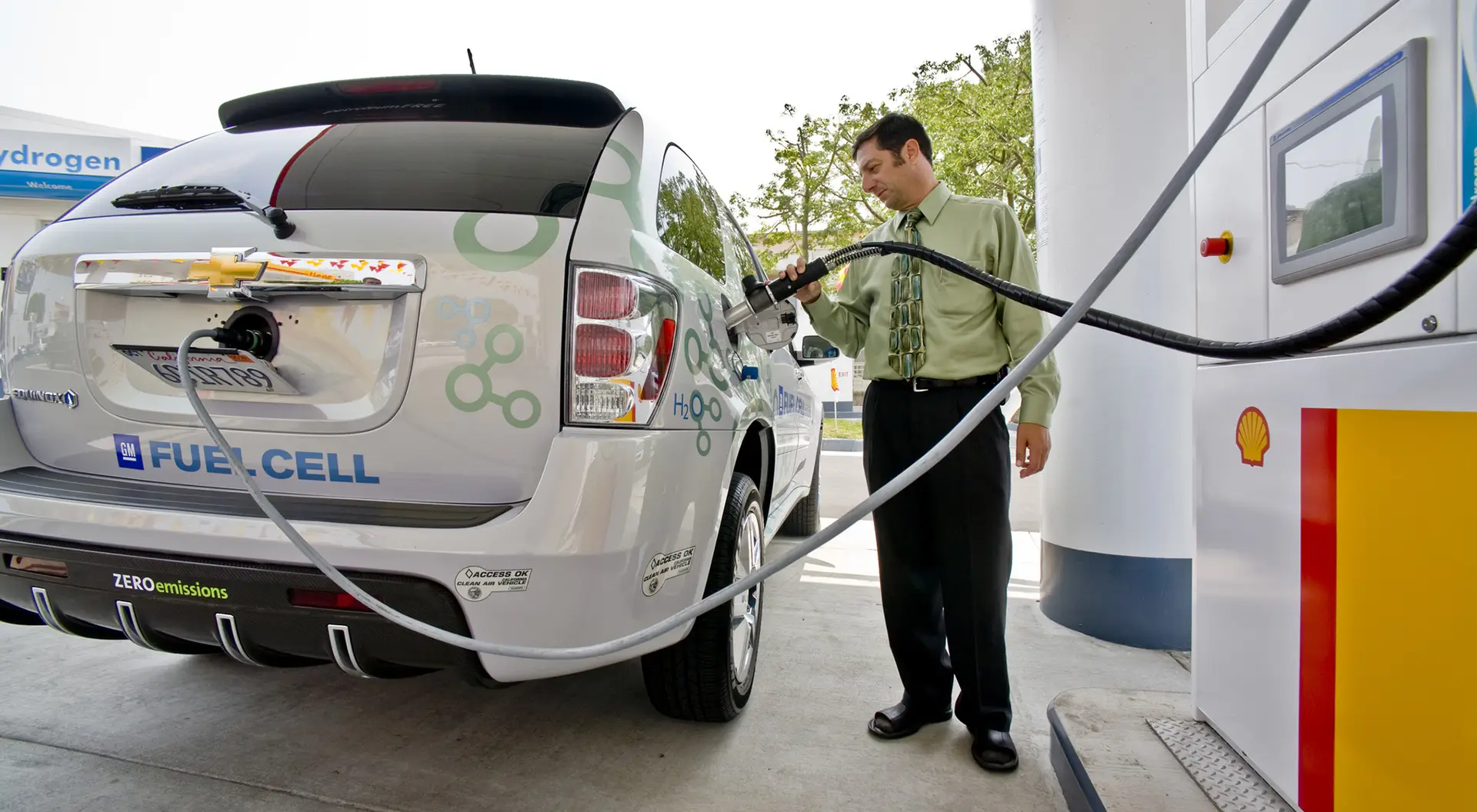
February 2025
At $1.18/kg levelised cost, FARST occupies a unique position in the clean hydrogen cost curve — below green hydrogen, ahead of blue hydrogen on carbon performance.
Read more →
January 2025
The US Inflation Reduction Act's 45V hydrogen production tax credit creates a structural incentive for low-carbon projects like FARST — particularly for cross-border Canada–US deployments.
Read more →Whether you are evaluating AI data centre power, industrial hydrogen, or a net-zero infrastructure pathway, FARST can help you define a practical, deployable solution.